
Dräger marine safety equipment: identification and service guide
Prepare Dräger breathing apparatus, escape sets, cylinders, gas detection or fire equipment for traceable service in Sint Maarten.
Sources checked August 2, 2026
Dräger equipment aboard a vessel can span breathing protection, escape sets, compressed-air cylinders, gas detection and firefighting systems. A green pressure indication or intact bag is only one readiness check. Product identity, cylinder date, sensor or battery status, seals, accessories, maintenance history and the exact installed configuration determine the work.
The Safety Pelican services Dräger equipment within its current authorised scope in Sint Maarten. Confirm the individual unit before delivery because respiratory protection, pressure vessels, gas detectors and fire equipment require different trained personnel, test instruments, parts and records.
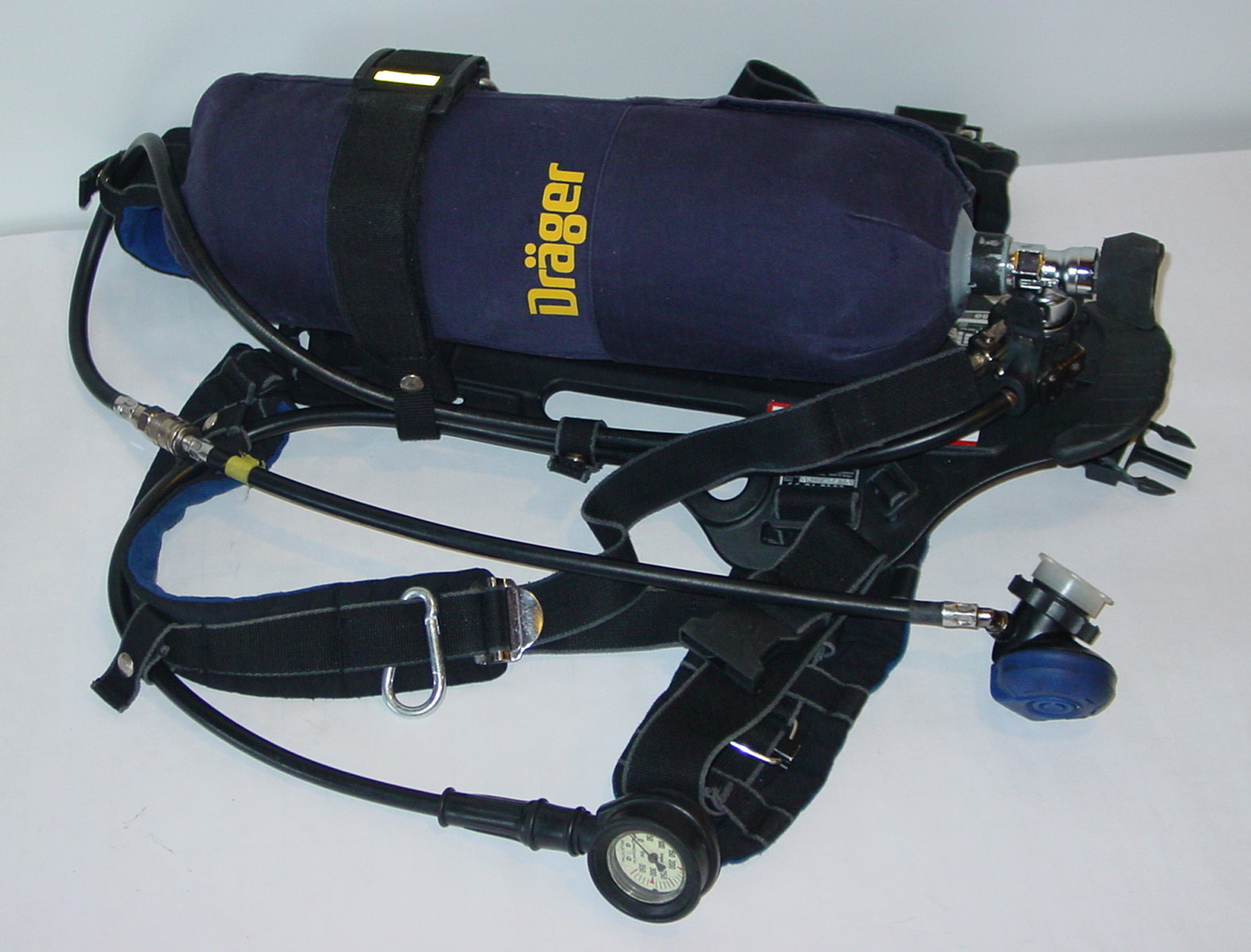

Identify the complete assembly and every pressure vessel
Photograph the product plate, model, serial number, approval and service label. For breathing or escape equipment, include the carrying case or bag, mask or hood, reducer, hose, gauge, anti-tamper feature and cylinder. Record each cylinder's manufacturer, serial number, working pressure, water capacity, manufacture and test markings separately from the apparatus serial.
For gas detection, record the instrument model, serial, installed sensor types, calibration due date, battery condition and accessories such as pumps or docking equipment. For fire equipment, identify the extinguisher or fixed-system component and its location. Do not combine unlike items under one inventory line called 'Dräger set'.
- Product model and serial
- Every cylinder identity and test mark
- Mask, hood, hoses and reducer
- Sensor types and calibration date
- Vessel location
Perform only the user checks in the current instructions
Dräger instructions for escape apparatus use visible checks such as gauge position, shelf-life or cylinder-recertification date and anti-tamper tag condition. A failed visible check belongs with trained service personnel. It is not an invitation to open the bag, tighten a valve or breathe down a cylinder to see whether the unit works.
Gas detectors likewise need the prescribed bump-test, calibration and sensor procedures, not an improvised exposure. Record failed checks and alarms exactly. If safety equipment has been used, partially discharged, contaminated, dropped or exposed to heat, remove it from ready status under the vessel's procedure and arrange assessment.
- Gauge and date visible checks
- Anti-tamper integrity
- No unauthorised opening or breathing test
- Prescribed gas-detector checks only
- Incident and contamination history
Route the job by discipline: breathing, cylinder, gas or fire
Dräger's marine service portfolio distinguishes inspection, maintenance and repair of fire equipment from breathing apparatus, compressed-air cylinders, compressors and gas detection. Cylinder hydrostatic testing does not by itself service the valve, regulator, mask or complete breathing set. Calibration of a detector does not validate an unrelated fixed alarm system.
State the required outcome for every item: periodic inspection, cleaning and disinfection, repair, refill, hydrostatic test, breathing-air quality, calibration or functional system test. The station can then confirm scope, parts and certificate format. Keep any class, flag or company maintenance specification with the request.
- Equipment discipline
- Required service outcome
- Cylinder versus complete-set scope
- Class or flag instruction
- Certificate format
Control cleanliness, identity and configuration at handover
List each serial number and accessory before delivery. Protect respiratory interfaces from contamination and cap cylinders or hoses only as instructed. Send previous certificates, defect reports, alarm history and the vessel deadline. If equipment forms a matched set, label the components without applying tape or markings that could damage them.
On return, reconcile every cylinder and apparatus serial, review test results and verify assembly. Restore onboard stowage, seals and access, and update separate due dates for the apparatus, cylinder, detector calibration and replaceable consumables. Treating those dates as one line is how otherwise well-maintained systems develop hidden gaps.
- Component-level serial list
- Protected clean interfaces
- Previous results and defects
- Post-service configuration check
- Separate due dates by component
Official sources
Manufacturer and authority references for this guide. Check the current requirements for your equipment and vessel.