
Plan a liferaft rental around the voyage
Match the raft to the vessel, voyage, people aboard, installation and dates before treating a rental as confirmed cover.
Sources checked July 31, 2026
Passenger capacity is only the first question in a liferaft rental. The operating area, vessel status, approval requirement, emergency pack, stowage arrangement and collection dates all affect whether a unit is suitable.
Use the request to give the station the complete voyage picture. Do not remove an existing raft or plan a departure around temporary cover until the station has confirmed the exact rental unit, dates and handover arrangement.

First decide what the rental must cover
State whether the request is for a temporary loaner while an owned raft is in service, a charter or project, a delivery voyage, seasonal cover or another defined need. If it replaces a raft temporarily, identify the owned unit, its stowage position and the service window it is expected to cover.
A clear purpose prevents two different questions from being mixed together: whether a rental is commercially available and whether it is accepted for the vessel's intended operation. The station can check an equipment option; the vessel's flag, recognised organisation, class or survey contact may need to confirm the compliance arrangement.
- Temporary cover during service
- Charter, delivery, project or seasonal use
- Owned raft and stowage position being covered
- Known flag, class, charter or survey instruction
Describe the vessel and people aboard
Send the vessel name, flag, vessel type and operating status together with the maximum number of people the rental must serve. State whether the vessel is private, charter, commercial or otherwise regulated, and include any IMO number, call sign, class or survey reference that helps identify it.
Do not select a raft solely by matching its printed capacity to the expected guest count. IMO explains that the number, capacity and type of life-saving appliances can differ with ship size, activity and voyage. The vessel's actual carriage requirement must be checked in its own context.
- Vessel name, flag and type
- Private, charter, commercial or other operating status
- Maximum persons the rental must cover
- IMO number, call sign, class or survey reference where applicable
Give the route, operating area and sailing window
List the departure and destination, expected operating area and any offshore or ocean passage during the rental period. Give the earliest collection date, the date the raft must be aboard and the realistic return date. If the schedule may move, identify the firm sailing date and the flexible dates separately.
These details help the station check the rental period and discuss the equipment specification. They do not replace voyage planning or a flag or survey decision about what the vessel must carry.
- Departure, destination and operating area
- Offshore or ocean passage during the rental period
- Earliest collection and required onboard date
- Expected return date
- Firm sailing deadline and any flexible dates
Check more than capacity on the proposed raft
Ask the station to identify the manufacturer and model, capacity, approval, emergency-pack designation, canister or valise configuration, service status and any equipment supplied with the unit. VIKING's rental catalogue, for example, includes different liferaft types and capacities; that range should not be read as confirmation that a particular model is available locally for a specific voyage.
Compare the proposed unit with the requirement already provided by the vessel's flag, class, charter agreement or surveyor. If no requirement has been established, say so in the request so the approval question is not mistaken for an availability question.
- Manufacturer, model and capacity
- Approval and emergency-pack designation
- Canister or valise configuration
- Current service certificate or rental documentation
- Accessories included with the handover
Plan stowage, handling and return before collection
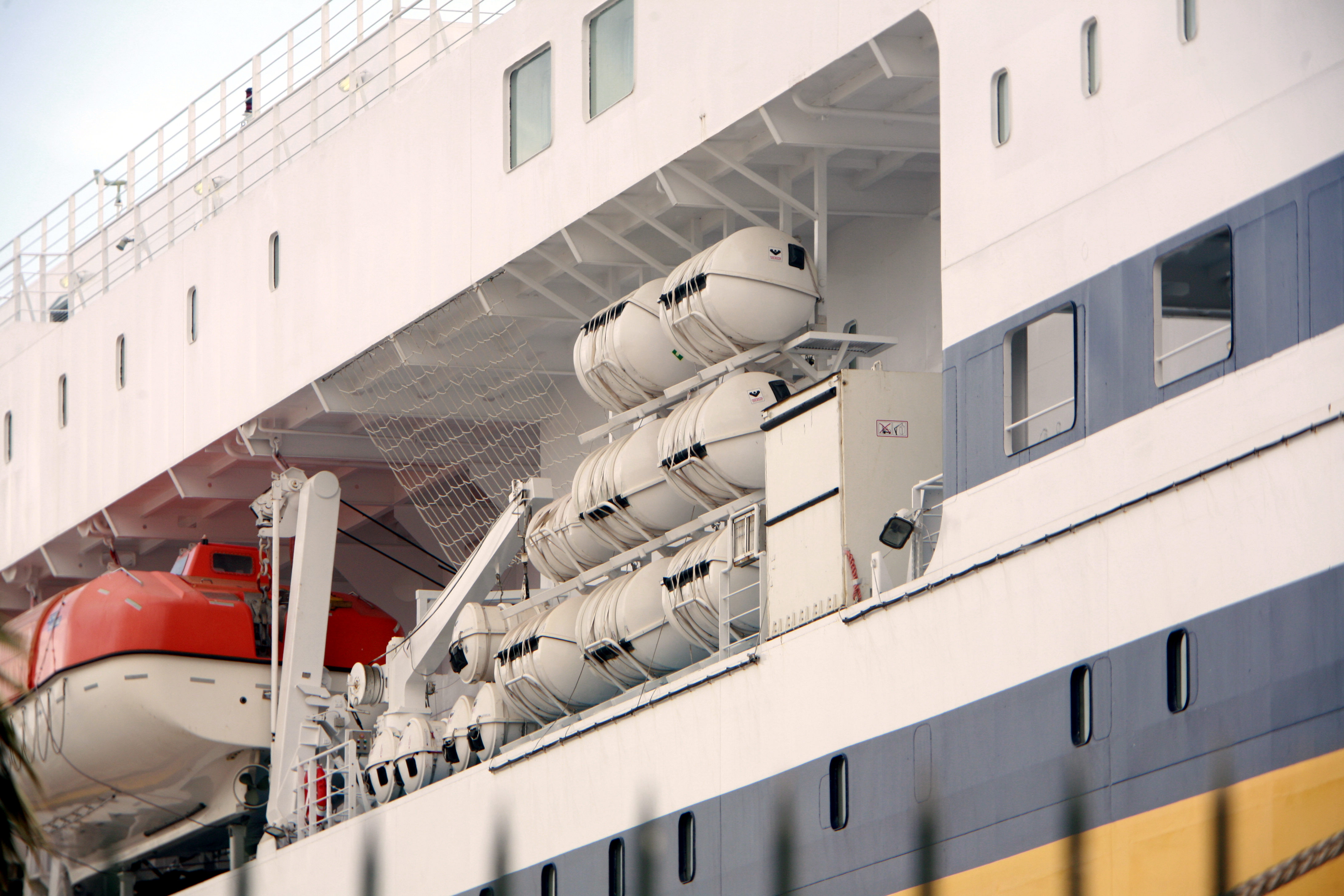
Send photographs and dimensions of the intended stowage position, cradle and securing arrangement when the rental must fit an existing installation. State whether it will be throw-overboard or used with another launching arrangement. The master or responsible installer should confirm that the unit can be stowed and released correctly without obstructing access or damaging the raft.
Agree who will collect the raft, what documentation is handed over, how its condition is recorded and where it must be returned. Ask about damage reporting, late return and unused-unit handling before the rental leaves the station. Do not open, deploy or alter a rental raft except in an emergency or under the instructions supplied with it.
- Stowage position, cradle and securing arrangement
- Canister dimensions and handling route aboard
- Collection contact and identification
- Handover documents and condition record
- Return location, time and reporting procedure
Treat the rental as confirmed only after the exact unit is agreed
A complete request allows the station to check equipment, dates and commercial availability. Confirmation should identify the unit or agreed specification, rental period, collection arrangement and any conditions that must be resolved before handover.
Keep the confirmation and rental documentation with the vessel's safety records. If the voyage, number of persons, operating status or return date changes, tell the station before departure because the agreed option may need to be reviewed.
- Exact unit or agreed specification confirmed
- Rental period and handover time confirmed
- Vessel-specific approval question resolved
- Documents received and kept aboard
- Changes reported before departure
Official sources
Manufacturer and authority references for this guide. Check the current requirements for your equipment and vessel.
- Life-saving appliances
International Maritime Organization
- FAQs related to life-saving appliances
International Maritime Organization
- Liferaft rental
VIKING Life-Saving Equipment