
Comet marine distress signals: identification and readiness guide
Identify, inspect and record Comet pyrotechnic distress signals without dismantling, test-firing or treating expired products as ordinary waste.
Sources checked August 2, 2026
Comet manufactures commercial and leisure marine pyrotechnics, including parachute rockets, hand flares, smoke signals, line-throwing products and bridge-wing light-and-smoke signals. They are consumable emergency devices with approvals, lot identity, storage limits and expiry dates—not workshop items that can be casually tested and put back aboard.
The Safety Pelican supports Comet equipment coordination within its current scope in Sint Maarten. The practical job is to identify what the vessel carries, check condition and dates, compare the inventory with the governing requirement and route suspect or expired pyrotechnics through approved supply and disposal channels.
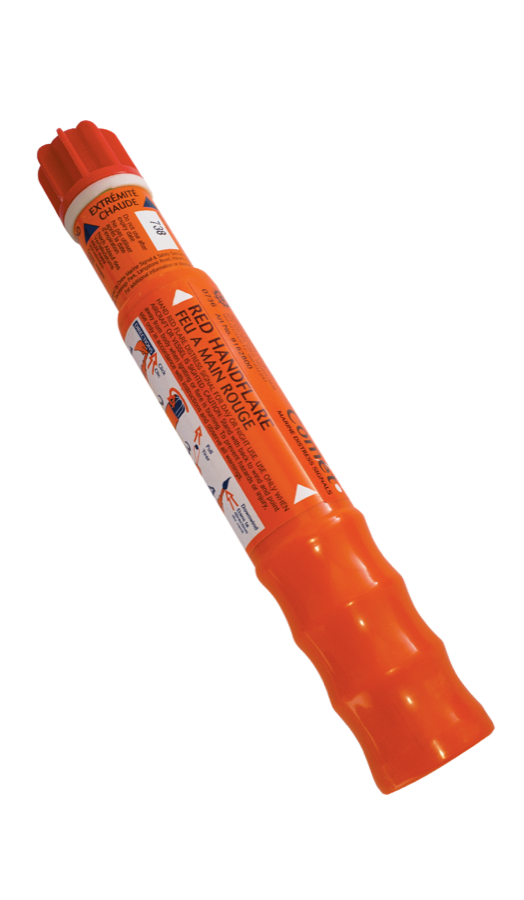
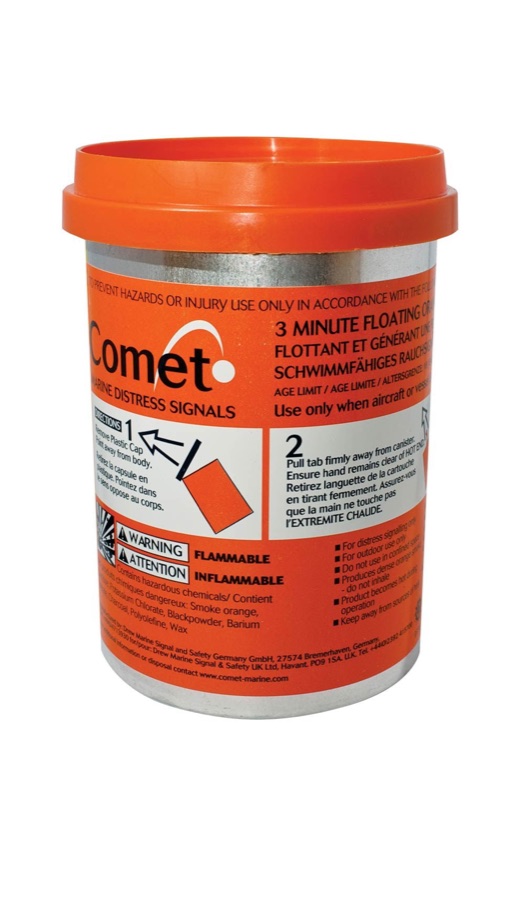
Inventory each signal by purpose, approval, lot and expiry
Record product name, quantity, approval, manufacture date, expiry date and lot number from each device or sealed pack. Separate SOLAS or commercial equipment from leisure products and separate distress signals from collision-warning, illumination or line-throwing devices. Similar red or orange housings do not prove the same function.
Photograph labels without removing safety caps, pins or packaging. Comet provides a suspect-pyrotechnics review route that asks for product, manufacture date, expiry, lot number and images—exactly the fields a useful vessel inventory should preserve. Do not test-fire a signal to establish whether it is genuine or serviceable.
- Product and intended signal
- Approval marking
- Manufacture and expiry
- Lot number
- Clear label photographs
Inspect storage and condition without dismantling
Check the external case and packaging for dents, cracks, swelling, corrosion, contamination, water entry, missing safety features or unreadable instructions. Comet's own product guidance warns against using damaged, dented or expired pyrotechnics and against dismantling. Isolate suspect items from the ready stock and seek competent advice.
Store the operational set in the location and orientation required by the product and vessel plan, protected from heat and unauthorised handling but immediately accessible in an emergency. A waterproof bottle or locker is not automatically suitable if it traps heat, hides expiry dates or cannot be reached during abandonment.
- No dents, corrosion or water damage
- Safety features intact
- Instructions legible
- Protected but accessible stowage
- Suspect items isolated
Replace before expiry and arrange lawful hazardous disposal
The expiry date is an operational limit, not a suggestion to keep the device as a spare. Plan replacement before the sailing or survey window and preserve the required mix of day, night, long-range and position-marking signals while stock is changing. Do not assume electronic beacons eliminate a vessel's separate pyrotechnic carriage requirement.
Expired marine pyrotechnics remain hazardous articles. They should not go into household waste, be abandoned in a marina bin, opened, soaked or fired for entertainment. Ask the supplier, port, authority or approved hazardous-waste route for current local acceptance and transport instructions before moving them.
- Replacement before the operational deadline
- Required signal mix maintained
- No casual firing or dismantling
- Approved local disposal route
- Transport rules confirmed
Pair the inventory with crew knowledge
Crew should know where the signals are, which device serves which phase of distress and where the manufacturer's instructions can be reviewed safely. Comet publishes training animations for hand flares, parachute rockets, smoke signals and line throwers. Use approved training materials or dedicated training products; never turn the vessel's live inventory into a practice set.
Update the equipment register after replacement, record the new lot and expiry dates and inspect the stowage. If an item appears counterfeit, re-dated or inconsistent, preserve photographs and request manufacturer review. A defensible distress-signal inventory is current, genuine, correctly stowed and understood by the people expected to use it.
- Crew knows locations and roles
- Manufacturer training used
- Live stock never used for practice
- New dates entered in register
- Suspect items referred to manufacturer
Official sources
Manufacturer and authority references for this guide. Check the current requirements for your equipment and vessel.
- Comet marine distress signals
Comet
- Products
Comet
- Suspect pyrotechnics
Comet
- Safety and training
Comet