
Prepare marine fire extinguishers for service
Build an extinguisher register that preserves each unit's identity, location and service history before anything leaves the vessel.
Sources checked July 31, 2026
Begin with the vessel's fire plan or equipment register, then verify it against the equipment actually aboard. The useful handover is not a pile of red cylinders. It is a traceable set of units, each connected to a location, an extinguishing medium, a service record and the date it is needed back.
Do not remove required fire-fighting equipment simply because a service request has been sent. The master or operator must keep the vessel's fire-safety arrangements suitable for its operation and resolve any temporary-cover or survey question before equipment goes ashore.
Reconcile the register with the equipment aboard
Walk the vessel by deck and compartment instead of building the list from memory. Record portable and wheeled extinguishers as individual units, including spares. Keep fixed fire-suppression systems on a separate line because their components, protected spaces and service arrangements are different.
Give every unit a temporary vessel reference that will still make sense when the extinguisher is ashore, such as engine-room port entrance or galley locker. If several identical units are collected together, attach a removable tag or use a numbered photograph set. Do not stamp, engrave or permanently alter the cylinder.
- Deck, compartment and exact mounting position
- Portable, wheeled or fixed-system component
- Vessel reference for matching the unit on return
- Quantity checked against the fire plan or equipment register
Create an identity set for every extinguisher
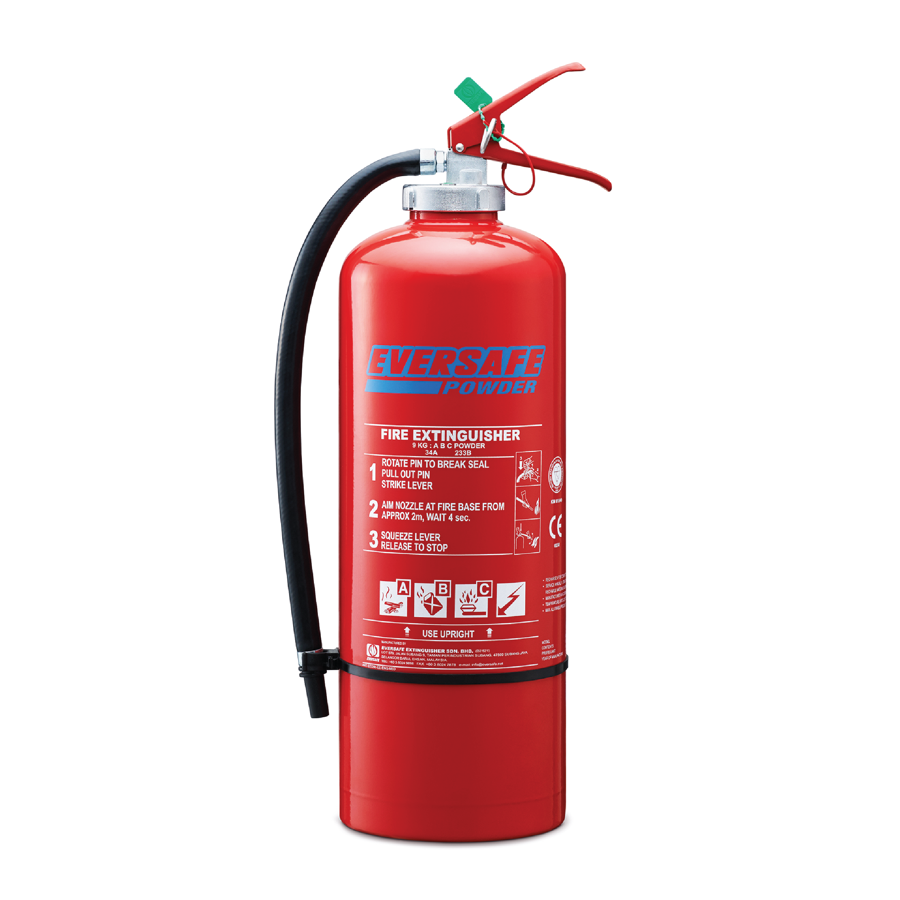
Take one full-length photograph and close photographs of the operating label, manufacturer plate, serial number and service label. Record the extinguishing medium and charge shown on the unit rather than relying on colour alone. Include the pressure gauge where fitted and the hose, horn, pin, tamper seal and mounting bracket in the overall view.
The IMO guidelines distinguish extinguishers by their medium and intended fire application. That is why a count such as six extinguishers is not enough for assessment: water, foam, powder, carbon dioxide, wet chemical and clean-agent units are not interchangeable descriptions.
- Manufacturer, model and serial number
- Extinguishing medium and rated charge
- Operating and approval markings
- Latest service label or maintenance tag
- Gauge, hose or horn, pin, seal and bracket
Record condition without operating the unit
Photograph corrosion, dents, leakage, a missing safety pin, a damaged hose, a broken seal or an unreadable label. Pay particular attention to the base and any area hidden by a boot, collar or mounting arrangement. The marine environment can trap moisture around these surfaces, and official guidance warns that severe base corrosion has caused fatal extinguisher failures.
Do not discharge a questionable extinguisher, loosen its valve or attempt to prove that it works. Isolate the concern through the vessel's safety procedure and ask the service station how it should be handled.
- Base, body and areas normally hidden by the bracket
- Dents, corrosion, leakage or damaged fittings
- Gauge position where a gauge is fitted
- Missing pin, seal, hose, horn or operating label
Describe fixed systems as complete installations
A fixed system is not simply a larger portable extinguisher. Send the system manufacturer and model, the protected space, the number and size of cylinders, the extinguishing agent, cylinder markings, release arrangement and the latest service documentation. State whether the request concerns cylinders only or an onboard inspection of the wider system.
Include drawings, manuals or the fire-control plan section already held aboard when they identify components and locations. Do not disconnect cylinders, actuators, detection equipment or release controls until the station has confirmed the scope and the vessel has an agreed safe-work plan.
- Protected space and system manufacturer
- Cylinder quantity, capacity, agent and serial numbers
- Release, detection and alarm arrangement
- Latest service report and relevant system drawing
- Attendance or cylinder-only scope requested
Match service records to the physical units
Collect the latest service report, certificate or planned-maintenance record and compare its serial numbers with the equipment list. Record any unit that was replaced, moved or added since the document was issued. A date on a spreadsheet cannot establish the status of a different extinguisher.
Service intervals and testing requirements depend on the extinguisher, its construction, the applicable standard, manufacturer instructions and the vessel's requirements. Send the existing evidence and let the station identify what must be checked rather than assigning a universal interval to the whole batch.
- Latest service report or certificate
- Serial-number match for each unit
- Known replacements or location changes
- Flag, class, charter or survey instruction already received
Plan removal, temporary cover and return together
Send the vessel name, flag and operating status, current berth, access contact, earliest handover time and required return date. Add the next sailing, charter, survey or inspection date when it affects the service window. State whether the vessel will deliver the equipment or wants the station to assess collection.
Before removal, the master or operator should decide how the vessel's required fire protection will be maintained. Ask about temporary cover early if it may be needed; availability and suitability must be confirmed. The service station can assess the equipment and workshop timing, but it does not decide the vessel's statutory carriage arrangement.
- Vessel, flag, berth and onboard contact
- Earliest access and required return date
- Next departure, survey or inspection date
- Delivery or collection preference
- Temporary-cover question identified before removal
Official sources
Manufacturer and authority references for this guide. Check the current requirements for your equipment and vessel.
- Improved guidelines for marine portable fire extinguishers — Resolution A.951(23)
International Maritime Organization
- MGN 276 (M+F) Amendment 1 — maintenance of portable fire extinguishers
UK Maritime and Coastguard Agency
- Fire-fighting equipment on ships
UK Maritime and Coastguard Agency