Fire extinguisher certification
Inspection, servicing and certification for marine fire extinguishers, with fixed-system work confirmed case by case.
Equipment we handle
- Portable extinguishers
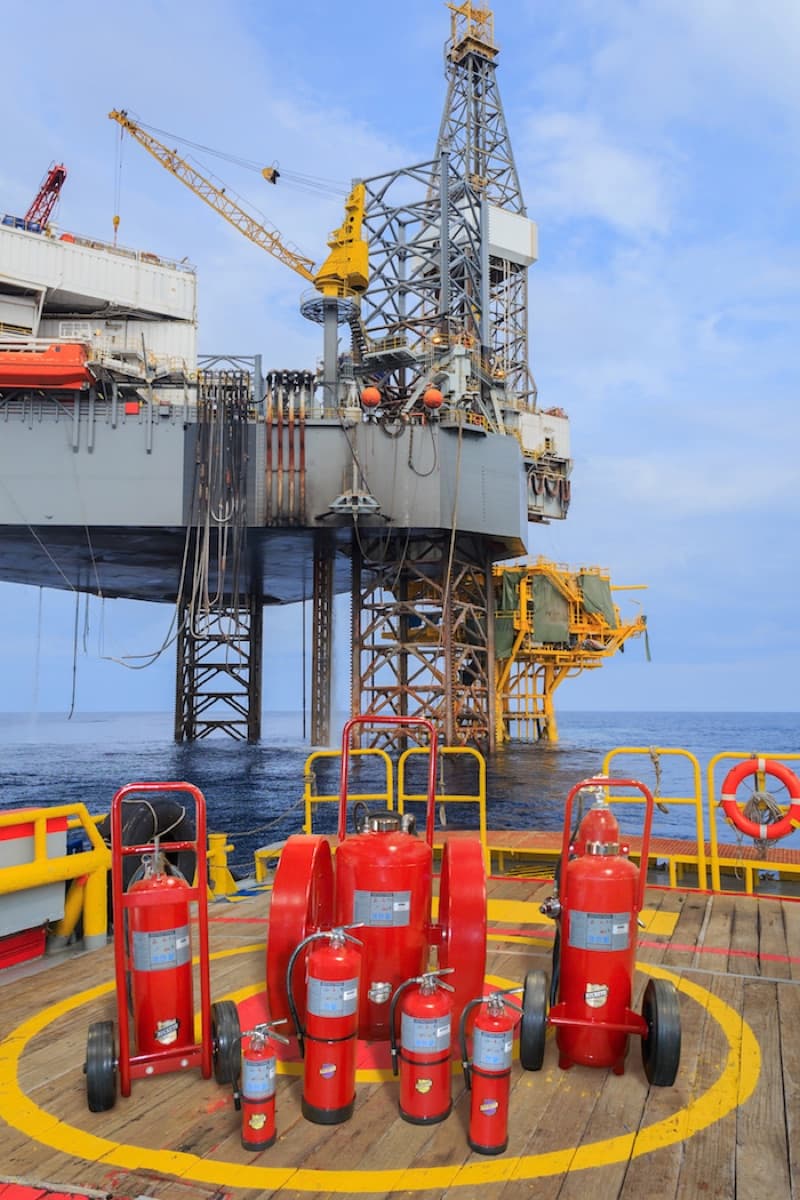
Powder, foam and wet-chemical units in the common marine sizes, serviced against type and age.
- Wheeled units
Larger powder and foam units for engine rooms and dock areas, handled at the station by arrangement.
- Fixed suppression systems
Scoped case by case from the make, model and vessel details before any work is agreed.
Equipment we handle
- Portable extinguishers
Powder, foam and wet-chemical units in the common marine sizes, serviced against type and age.
- Wheeled units
Larger powder and foam units for engine rooms and dock areas, handled at the station by arrangement.
- Fixed suppression systems
Scoped case by case from the make, model and vessel details before any work is agreed.
What to send
Start with the extinguisher list.
Send the quantity, extinguisher types, label photos and required return date. Include the make and model of any fixed installation.
How service works
- Receive and assess.
We review your request and the equipment details you send.
- Register and schedule.
Each item is logged with photos, model or registration details, known dates and your timing.
- Service and update.
The agreed work is carried out and your vessel contact receives status updates along the way.
- Verify and return.
Completed work is checked before the equipment is handed back to you.
Send the equipment details first. The station will confirm scope, timing and records before intake.
Service context
Why this work matters.
Extinguishers are the most counted item on any survey: every unit aboard needs a current service date, and one expired extinguisher reads the same as a missing one. Most of the work we see is not a single unit — it is a vessel list that comes due together.
At the station, each extinguisher is inspected and serviced against its type and age. Portable units move through on a normal service visit; wheeled units and fixed suppression systems are scoped first, because the make and model decide what can be done and where.
Whether it is a single extinguisher or a vessel-wide service list, send the quantities, label photos and deadline first. For fixed systems, include the make, model and vessel details.
Where the equipment is used
Start with the fire risk, not the extinguisher.
The correct type depends on the fuel, the space, the equipment nearby and the rules that apply. The summary below is orientation; the full guide explains the tradeoffs.
Home
Kitchens, living areas, garages and electrical equipment require different media and ratings. Choose from the actual hazards, not cylinder colour alone.
Commercial
Offices, hospitality, retail and kitchens need a documented mix that follows the premises risk assessment and local requirements.
Marine
Vessel fire plans, machinery spaces, accommodation, galleys and electrical risks must be matched to flag, class and manufacturer requirements.
Industrial
Workshops, fuel areas, plant, high-energy electrical equipment and specialist materials can require higher ratings or dedicated agents.
Authorized service brands
Check your make and model.
Authorization can vary by product. Send the model number and we’ll confirm whether it can be accepted.